- Home
- AI travel agents
- From Travel Desk to AI Agents: The Evolution of Business Travel
From Travel Desk to AI Agents: The Evolution of Business Travel
- June 3, 2026
- Rajib Kar
- AI travel agents, AI travel assistant, AI Travel Assistants
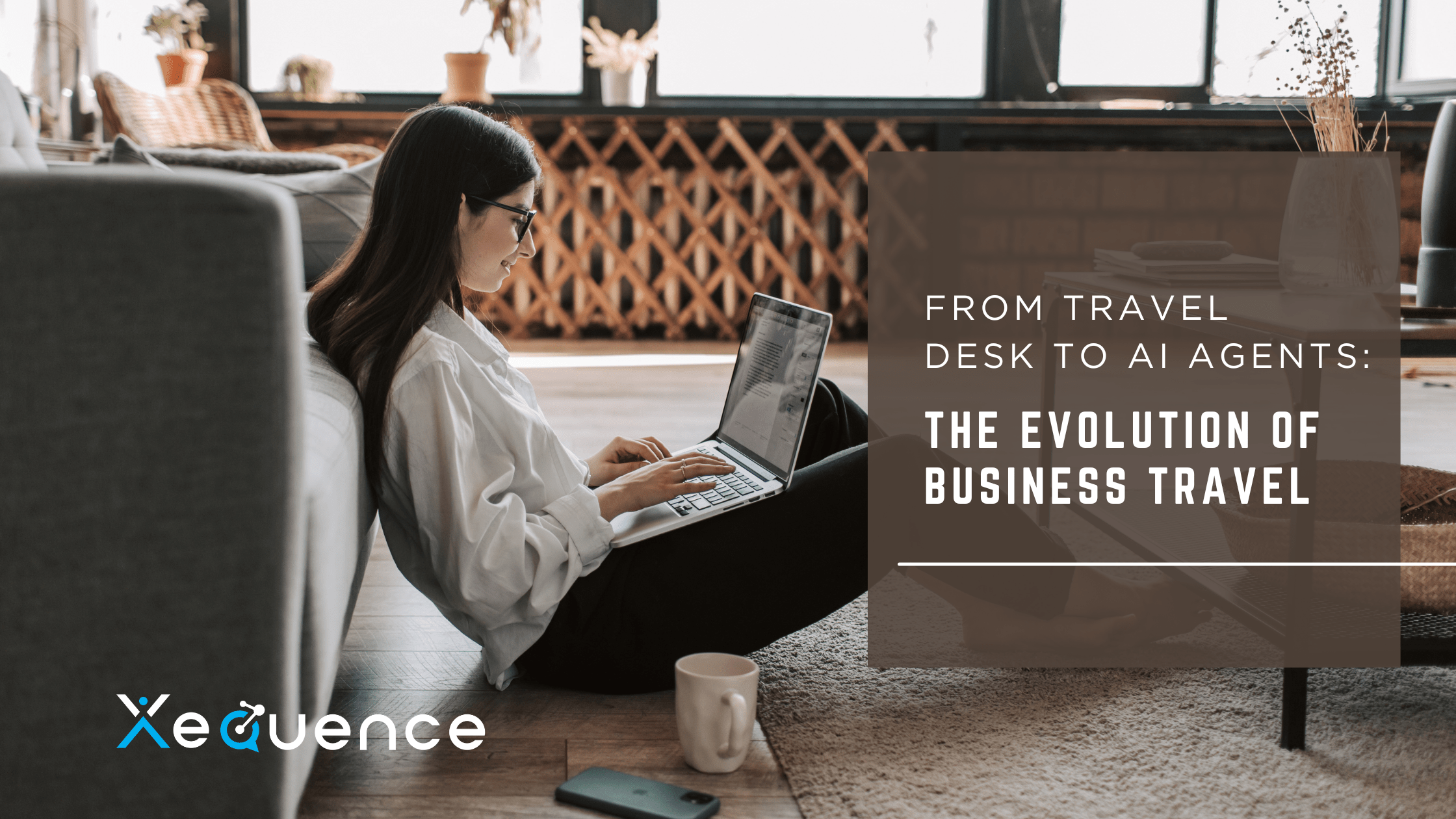
Back then, company trips ran much like trains steered by a handful of operators. Requests came in slowly, sat waiting on desks, and passed through layers before moving forward. Messages bounced between offices while assistants pieced together routes from meeting demands. That office once handled everything-booking flights, hotels, and last-minute changes. Each step dragged though, since employee timing, rule checks, and flight limits never quite matched pace.
The core tension was simple. Corporate systems demanded order, predictability, and compliance, while travelers sought convenience, flexibility, and speed. A sales executive rushing to meet a client did not experience travel as part of their workflow. They experienced it as a series of obstacles. Administrative noise accumulated through forms, approvals, phone calls, and delayed responses.
The Rise of Self-Service Booking
Out of nowhere, digital booking systems showed up like a quiet revolution. Employees found themselves clicking through flight options, sizing up accommodations – no more sitting around asking permission. Power began shifting, piece by piece, away from big offices down to the people holding laptops. This change felt familiar, somehow, like other moments when control slipped into individual hands. Business travel appeared to be entering an era of efficiency.
Self-service platforms often replace one form of friction with another. Travellers gained autonomy but inherited administrative responsibilities previously handled by specialists. Instead of calling a coordinator, employees became part-time travel managers, expected to navigate policies, preferred suppliers, and budget controls while focusing on their actual jobs.
Corporate systems remained rigid, even when interfaces became digital. Travellers frequently encountered experiences shaped more by procurement objectives than human behavior. The result was a growing gap between consumer expectations and enterprise realities.
The Era of Managed Platforms
As travel volumes expanded, organizations invested in travel management platforms. These systems connected booking, expense management, approvals, and reporting. From a perspective, the model delivered control. Executives could track spending, negotiate supplier agreements, and enforce policy at scale. For travellers, however, the experience often felt like moving through a maze designed by accountants. Every stage introduced another checkpoint. Common frustrations included:
- Navigating fragmented systems for booking, expenses, and approvals.
- Re-entering identical information across multiple workflows
- Managing policy exceptions through approval chains
Figuring out taxi costs while unpacking old bags. Sorting coffee shops slips when winter starts. Matching parking stubs to calendar entries from ages ago. Hunting hotel invoices during busy workdays. Still, workers felt the weight of keeping track. These tools made oversight better, though they seldom removed thinking work. Even when systems grew smarter, people’s lives didn’t always get simpler.
The Consumerization Challenge
Outside the workplace, digital experiences have evolved rapidly. Consumers became accustomed to applications that anticipated preferences, remembered behavior, and reduced effort. A traveller could book personal vacations in minutes, yet spend hours arranging a compliant business trip. This contrast exposed a weakness in traditional corporate travel systems.
Human behavior consistently resisted rigid structures. Travellers changed flights because meetings moved. They selected familiar hotels because routines reduce stress. They preferred convenience over procedural perfection. Every deviation generated exceptions, approvals, and administrative work. Strange how humans acted human, yet machines demanded robotic precision instead. Systems wanted predictability; people brought chaos every time. Behavior unfolded naturally, though frameworks insisted on rigid steps. What felt normal to individuals clashed with what structures required. Emotions showed up uninvited, where logic had reserved a seat. Reality moved in curves, but designs were built on straight lines only. Out of necessity, tracking how work trips evolved means watching rigidity bump against messy life. Efficiency got better with every tech shift, yet fresh snags popped up when actual habits hit rigid systems.
AI Agents and Mental Ease
One step ahead by 2026, AI agents will shift how things work. Instead of people changing their habits for software, the tools now adjust to fit travellers’ needs. Talking naturally, these systems grasp what someone wants, line up reservations, check rules, track delays, and also suggest new options. It stops feeling like managing a program and begins resembling handing tasks to a helper.
This change holds weight since the biggest expense in work trips was never about plane tickets or places to stay. It has been getting attention. Every approval request, itinerary adjustment, and expense correction consumes cognitive resources that employees could invest elsewhere. The emerging value proposition includes:
- Reducing administrative effort across the entire travel lifecycle.
- Personalizing recommendations while maintaining compliance.
- Responding dynamically to disruptions and changing schedules.
- Delivering consumer-grade experiences inside corporate environments.
Instead of generating more workflows, AI agents absorb them. They transform fragmented tasks into coordinated outcomes, providing the cognitive relief that travel technology promised but rarely achieved.
Conclusion
The evolution of business travel reflects an enduring struggle between rigid corporate systems and the unpredictable nature of human behavior. Travel desks centralized expertise but created bottlenecks. Online booking tools expanded autonomy but transferred administrative work to employees. Managed platforms improved control while preserving complexity. Out here, AI agents mark what comes after, giving minds a break, chatting through needs, delivering smooth tools tuned to real workflows. Shifts began long before bots arrived; picture clunky desks fading into smart helpers who cut clutter, silence paperwork, and static. At its core, it’s about making space for people again.
Recent Posts
The Rise of Autonomous Coordination Infrastructure: Powering the Future of AI
Rajib Kar
July 10, 2026
Newsletter
Get regular updates on data science, artificial intelligence, machine
You may also like
What Happens When AI Agents Start Working Together?
XequenceAI
July 27, 2026

The Blueprint of Autonomous Operations
Rajib Kar
July 16, 2026
The Rise of Autonomous Coordination Infrastructure: Powering the Future of AI
Rajib Kar
July 10, 2026
Single AI vs. Multi-Agent AI: A Complete Enterprise Guide
Suraj Kumar
July 8, 2026